 Question Constellation Sign up for free
 AQA · GCSE · Geography · Higher
Urban regeneration solving urban problems
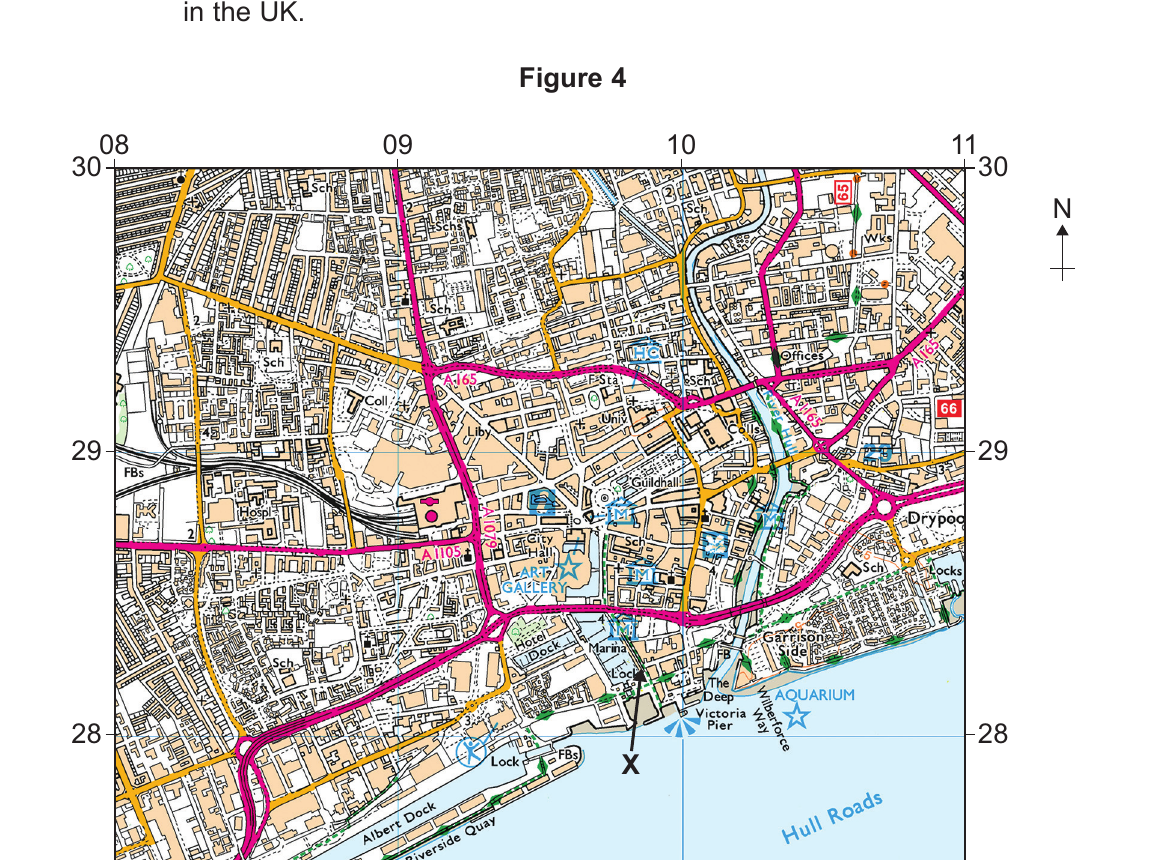
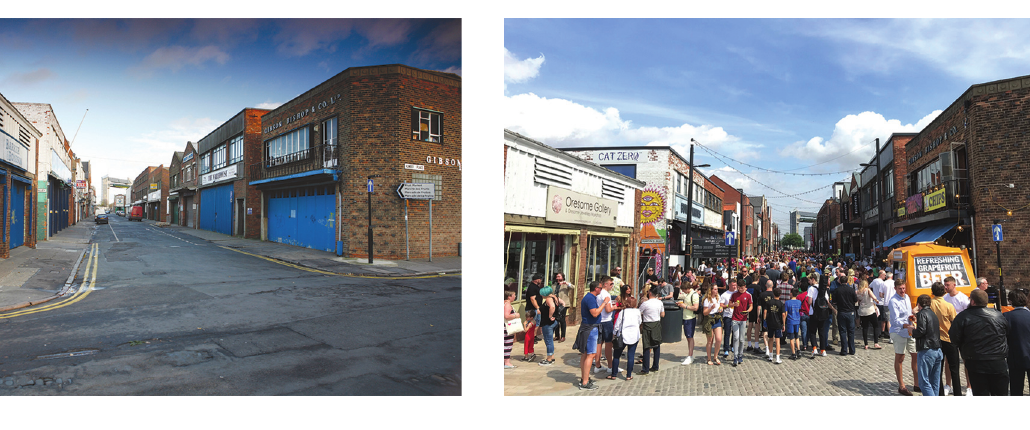
Suggest how a regeneration project can solve urban problems. Use Figure 5a and Figure 5b and a UK example you have studied.
Write your answer first. You can study the marking guidance whenever you need it.
Study the marking See what earns credit and compare it with a full-mark answer.
Marking points
- 1 Analyses how regeneration can solve urban problems, not only describe before/after photos.
- 2 Uses Figure 5a or 5b evidence accurately.
- 3 Uses a UK example; maximum Level 2 if no named UK example is provided.
- 4 SPaG and specialist terminology are credited up to 3 additional marks.
Full-mark answer
Regeneration can solve urban problems by reusing derelict industrial land, improving the appearance of streets, attracting businesses and creating jobs. In Figures 5a and 5b the area changes from a run-down former industrial street to a busy area with improved buildings, artwork, lighting and leisure uses. In a UK example such as the Olympic Park in east London, contaminated land was cleaned, transport links improved and new housing, parks and jobs were created. This helped solve environmental decline and unemployment, although benefits may be uneven if housing becomes too expensive for existing residents.
Why this answer loses marks
The area looks nicer after regeneration.
Examiner report Q01.10/01.11 noted that better answers moved beyond photo description to examine how the photographs showed solutions to urban problems.